

Why Shingle Roof Repair Before Winterizing Season Prep is Your Best Defense Against Damage
When the air starts to get crisp in Lakewood, it’s easy to assume that if your shingles are still sitting on the roof, everything must be fine. You see the beautiful architecture of our neighborhood-the carefully maintained façades and established homes-and you feel confident about your investment. But as Marco Alvarez has spent over two decades inspecting roofs across this community, I've learned a critical lesson: roofing is far more than just asphalt shingles; it’s an intricate system of water management and structural defense.
The most common mistake homeowner I encounter is waiting until they see visible signs of damage-a wet spot on the ceiling or a noticeable patch of missing granules-before calling a professional. If you’re reading this, it means you're asking the right question at the right time. This guide isn't meant to scare you into unnecessary repairs; rather, it’s designed to empower you with knowledge so that when the inevitable autumn storm hits, your home is structurally sound and protected. We are going to walk through exactly why planning for a shingle roof repair before winterizing season prep is not an option-it's essential preventative insurance for your property value.
Why Waiting Until the First Frost Is Not an Option: The Importance of Pre-Winter Inspections
The timeline of roofing maintenance is often misunderstood. Many people think that as long as the shingles are mostly intact, they’re good to go until spring. This perspective ignores the reality of how moisture and temperature interact in our Houston climate during seasonal shifts. We have to start thinking about this process not when the damage is visible, but before the stress begins.
The Hidden Damage of Winterizing:
When we talk about "winterizing," people often think only of insulation or pipes. For a roof, winterizing means preparing for freeze/thaw cycles and increased moisture variability. The danger isn't just a big leak; it’s the small leaks-the ones you can't even see today. A tiny crack in flashing, an overlooked gap around a vent pipe, or poor drainage that allows water to pool slightly behind the shingles. During freezing temperatures, this trapped moisture expands and contracts dramatically. This process, known as freeze-thaw cycling, is incredibly powerful; it slowly compromises structural elements, degrades underlayment adhesives, and can lead to serious mold growth inside your attic space long before a major leak appears anywhere below.
Understanding Seasonal Stressors:
Our roofs face unique pressures every season. The rapid drop in temperature causes materials-metal flashing, wood decking, even the asphalt itself-to contract at different rates. Furthermore, our local winds can create significant uplift forces on aging roof systems. When you combine trapped water, contraction stresses, and wind lift, a seemingly minor issue becomes a major point of failure.
The goal of professional pre-winter care is not just to fix what’s broken; it's about safeguarding the structural integrity and maximizing your home's equity before the toughest months begin. Think of this inspection as preemptive maintenance for your biggest asset-your home. It gives you peace of mind, which has an undeniable value in a competitive market like Lakewood.
What to Look For: A Homeowner’s Checklist for Shingle Integrity
Before we even talk about sending out crews and getting quotes, I want to give you the homeowner's checklist. This is designed to empower you-to help you understand what we look for when conducting an initial inspection. However, please remember that while these tips are helpful, they do not replace a professional assessment because many of the most critical signs are invisible.
The Visual Guide (Symptom Check):
For visible issues, keep your eyes peeled for:
- Curling or Cupping Shingles: If you can see shingles lifting at the edges or curving up from the middle, they have lost their structural rigidity and need attention.
- Granular Loss: Asphalt shingles rely on that protective layer of granules. If large patches are missing (which often happens near heavy traffic areas or vents), it means the underlying asphalt is exposed to UV degradation and water damage much faster.
- Blistering: This indicates trapped moisture beneath the shingle, a clear sign that water penetration has occurred at some point.
Beyond the Visible: The Invisible Threats:
Here’s where most homeowners get tripped up. The most dangerous signs are almost always hidden in plain sight and require specialized tools to detect. We focus heavily on areas like poor flashing around chimneys or kitchen exhaust vents, compromised metal valley materials, and decaying underlayment that has been damaged by pests or previous water intrusion. These invisible points are the primary culprits behind unexpected leaks.
The Water Management Test:
Before calling us, you can perform a basic "water management" test: Walk your property after a heavy rainfall (safely!). Check for localized pooling on the roof surface itself, which suggests drainage issues. Also, visually inspect your fascia boards-if you see dark, persistent staining below them, it strongly suggests an internal leak path that is wasting structural integrity. Finally, ensure gutters are free of debris before calling in a professional; this helps us pinpoint whether the issue is the roof or the gutter system itself.
The Scope of Repair: Addressing Damage from Minor Issues to Major Repairs
This is often the section where homeowner anxiety peaks-the fear of unexpected costs and being sold unnecessary materials. I promise you, we believe in transparent service, and we want to demystify what a "repair" actually entails.
Demystifying the Process:
When we talk about a shingle roof repair before winterizing season prep, it is rarely just replacing shingles. A true repair involves several critical steps: careful cleaning of the affected area; repairing or replacing compromised flashing (the metal pieces around penetrations); and potentially re-securing or adding new underlayment to ensure the underlying barrier is intact.
Addressing Cost Concerns Upfront:
We understand that cost is a major factor, especially when dealing with home upkeep in an affluent community like Lakewood. Our commitment is full transparency. We will provide a detailed quote that clearly itemizes every component: the necessary materials (shingles, flashing, underlayment), all labor hours required, any mandatory permits, and disposal fees. You should never have to guess what hidden costs are coming; you deserve to know exactly what you're investing in.
The Difference Between Patching and Full Repair:
We need to be honest with you: sometimes a localized patch is sufficient, but often the deterioration is systemic. If we discover that the underlying wood decking (the sheathing) has been compromised by prolonged moisture-say, it's soft or rotted in multiple spots-a simple shingle replacement won't solve the problem. In those cases, we must advise you on a full shingle roof repair before winterizing season prep, which might necessitate replacing sections of decking to ensure the system can withstand the coming seasons.
Our Local Expertise Advantage:
Unlike national chains, our crews are trained specifically for Lakewood’s unique blend of architecture-whether it’s classic detailing in Oak Lawn or more modern structures in Cedar Crest. We know what local HOA guidelines entail and how to execute a repair that is both structurally sound and aesthetically respectful of your neighborhood’s character, including expert Roof Repair in Lakewood, TX.
Preparing Your Entire Roof System: It's More Than Just the Shingles
If I could give one piece of advice, it would be this: stop looking at the roof as a single layer of shingles. Start thinking about it as a complete, interconnected water management system. Every component plays a role in directing water safely away from your foundation and into the ground.
The Drainage Connection:
A perfect shingle surface is useless if the water cannot exit properly. We must inspect gutters thoroughly. Are they clogged with debris? Do the downspouts extend far enough away from the house's foundation? Proper downspout extension is a critical, often overlooked component of leak prevention in Lakewood TX. Water needs to be diverted away from your home's structure and into the earth, not just dumped right beside it.
Flashing and Chimneys: The Weak Points:
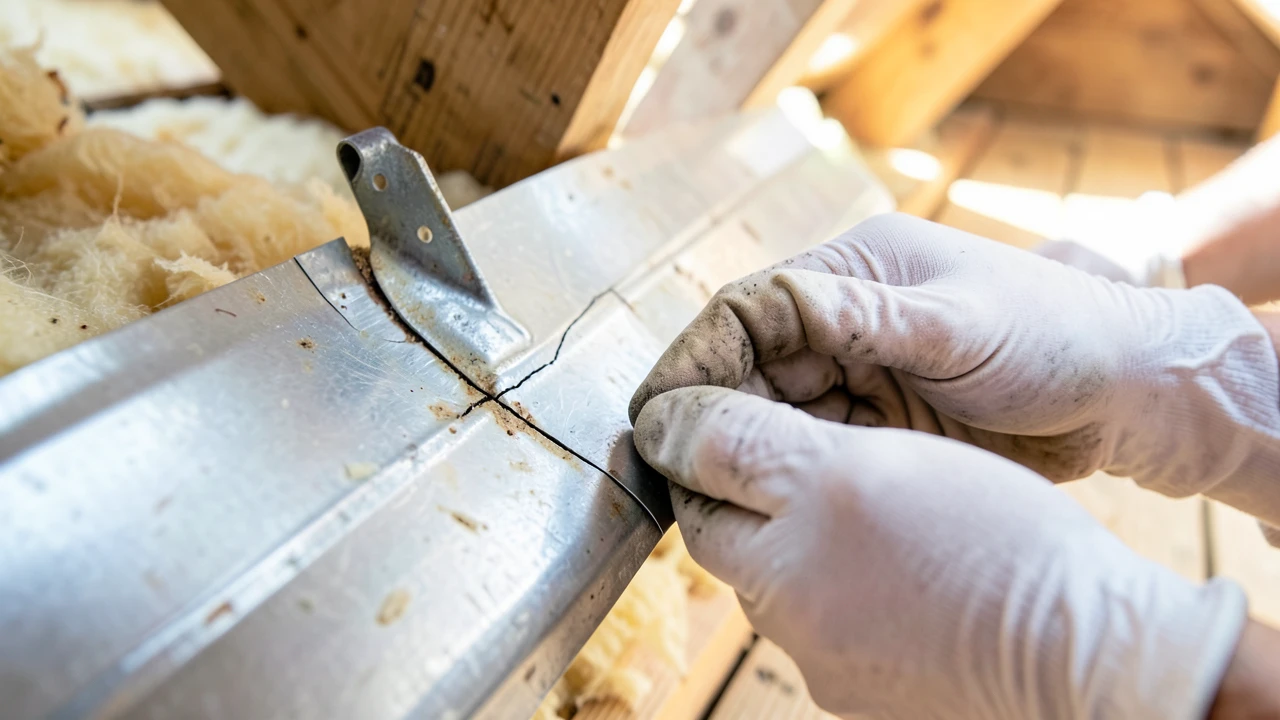
This point bears repeating because it’s so frequently neglected. Flashing-the metal strips around chimneys, vents, and wall transitions-is arguably the most vulnerable part of any roof system. Whether it's copper flashing or galvanized steel, these points require specialized attention during any shingle roof repair before winterizing season prep. These areas get hit by runoff, extreme temperatures, and decades of expansion/contraction stress. They must be treated with precision.
The Importance of Attic Ventilation:
Finally, let’s talk about the attic. Proper ventilation is crucial because it manages temperature extremes and humidity levels. If hot air gets trapped under the shingles or in the attic space, it exacerbates shingle degradation over time by promoting condensation-the very thing we are trying to prevent from causing leaks. A professional assessment will include checking these vents to ensure adequate airflow throughout your entire system.
Protecting Your Investment Year-Round
Ultimately, when you invest in roofing services, you aren't paying for asphalt and metal; you are investing in the longevity of your property’s value and your family's peace of mind. This is an investment that pays dividends every time a storm rolls through without leaving a trace behind.
Warranty Confidence:
When dealing with complex repairs, accountability is everything. We are licensed, fully insured local experts who stand by our work. Choosing contractors who are reliable long after the initial repair is complete means you have recourse and confidence in your investment for years to come-that’s what true local stewardship looks like.
Marco's Final Advice:
As I said when starting my career on job sites across Houston, I learned early that anticipating problems is far more valuable than reacting to them. The biggest mistake homeowners make is waiting until they see visible damage before calling a professional for an inspection. Don’t wait for the first leaf to drop or the temperature gauge to dip into single digits. Taking care of your roof now-scheduling that shingle roof repair before winterizing season prep-is the most responsible, proactive step you can take for your Lakewood home this year.
If you are concerned about potential water damage or simply want a comprehensive check-up on your system’s health, please contact us at +1 469-589-3827. We manage the whole process-from initial meticulous assessment to final cleanup-so that when spring arrives, your roof is not only protected but looking its absolute best. Home.