
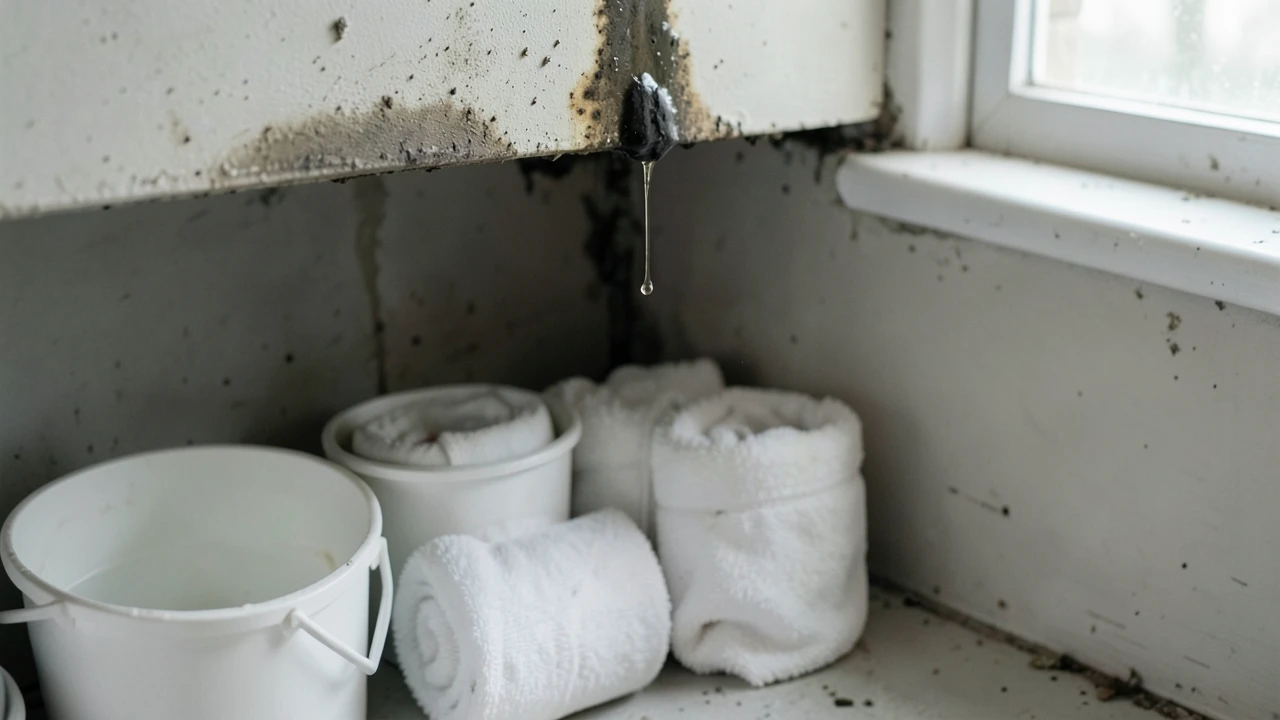
When the sky opens up and you walk outside to find visible signs of water damage-a dark stain on a ceiling, a patch of moss where it shouldn't be, or worse, an obvious leak dripping from your roofline-the feeling is immediate panic. Water damage doesn’t just mean a wet spot; it can feel like the sudden threat to everything you own and everything you love about your home in Lakewood. It is stressful, costly, and frankly, frightening.
This is why, right at the start, I want to be very clear: before rushing into an estimate or panicking over temporary fixes, finding a truly reliable contractor for emergency roofing repairs means more than just calling the first number you see. It requires knowledge, meticulous vetting, and a local partner who treats your home like it’s their own. After two decades inspecting roofs across Houston-especially specialized properties in neighborhoods like Oak Lawn and Cedars-I've learned that expert guidance is essential to minimize stress and maximize structural integrity.
When Water Damage Strikes: Taking Immediate Steps After a Leak or Storm
The first thing I want you to know is this: take a deep breath. The house will not fall down instantly, and the panic is completely normal. However, what happens in the initial hours after a leak or storm can make all the difference between a minor inconvenience and major structural damage. We need to triage the situation before we call anyone.
Your First 24 Hours Triage Checklist
Before any professional arrives, there are a few non-technical steps you can safely take. These basic actions minimize secondary damage while waiting for help:
- Prioritize Safety: Do not walk under areas where water is actively dripping if the structure feels compromised. Never approach wet electrical sources. Your safety always comes first.
- Containment, Not Correction: If the leak source is visible and minor (like a small drip point), placing buckets or towels underneath it helps contain the immediate damage to your belongings. Don't try to patch the roof yourself; this can make diagnosis harder for the pros.
- Shut Off Utilities (If Safe): If you know exactly where your main water line is and if it’s safe to do so, turning off the primary water supply will prevent continuous flow into walls or subfloors.
Differentiating Between a Temporary Patch and the Root Cause
One common mistake I see-and one that costs homeowners thousands-is confusing a symptom with the diagnosis. A visible leak is merely a symptom. The actual problem could be decades of flashing deterioration, improper underlayment installation years ago, or compromised structural supports hidden beneath the tiles.
If a contractor simply patches the obvious drip point without addressing the underlying material failure (the root cause), that patch will likely fail again-and you'll have paid twice for half a solution. This is why when evaluating who to hire, your focus must be on comprehensive diagnosis, not just rapid temporary fixes. A good professional understands that visible leaks are signals of systemic issues that need deep investigation.
Three Questions to Ask Before Hiring a Contractor After an Emergency
This section is perhaps the most critical part of protecting yourself. The market for emergency repairs can feel chaotic, and unfortunately, this makes it tempting for less scrupulous contractors to overcharge or underdeliver. To protect your investment-and your peace of mind-I have three non-negotiable questions you must ask any potential contractor.
1. Verifying Local Expertise and Licensing
You need more than just a general state license; you need proof that they are equipped for your specific property type in Lakewood. Ask to see:
- Current Liability Insurance: This protects you if their workers damage your landscaping or structure while working.
- Worker’s Compensation Proof: Ensures that if one of their employees gets hurt on your property, you won't be held financially responsible for the costs.
- Specialized Credentials: If you have a historic home with slate or tile-which is common in many parts of Lakewood-you need proof they specialize in those materials. A general shingle contractor may not understand the specific installation methods required for natural stone, and that difference matters immensely to structural integrity.
2. The Transparency Test: Scope of Work
Never sign a contract based on a verbal estimate. Demand a comprehensive scope of work document before any commitment is made. This document must explicitly detail:
- Permitting: Who is responsible for obtaining the necessary permits from the city? This should be them, and it should be listed as part of their cost.
- Underlayment Replacement: Does the quote include replacing the entire deteriorated underlayment beneath the new materials? If not, you are only repairing the visible layer, leaving the structural heart weak.
- Disposal Fees & Debris Removal: Are disposal fees and the removal of all old roofing material included? Hidden labor costs for clean-up can inflate a simple repair into an outrageous bill.
3. Understanding the Warranty Structure
When someone talks about warranties, they often mean "the roof itself." But you must ask deeper questions:
- What does the warranty cover specifically? Is it material failure (e.g., granules falling off) or labor failure (e.g., flashing coming loose)? Ideally, the contractor should offer both.
- How long is the duration? A good warranty will be specific-"10 years on labor and 25 years on materials."
- The Sustainability Question: Critically, who manages the claim if this company goes out of business in ten years? Look for warranties that are backed by an established parent company or industry association. This demonstrates true long-term commitment to your neighborhood.
Beyond the Leak: Understanding Your Roof’s Full Health Score
I must reiterate something I see far too often: waiting until you have visible signs of damage-a major leak, a huge stain, or peeling granules-means you are already operating in crisis mode. The biggest mistake homeowners make is treating roof assessment like an emergency procedure. It should be viewed as proactive home stewardship.
Identifying Subtle Signs of Wear and Age
The roof doesn’t always give you a warning with dramatic puddles. Sometimes the signs are subtle, requiring an experienced eye to detect. Look for:
- Flashing Deterioration: Pay special attention to metal flashing around chimneys, vents, and parapet walls. This is often where water enters first because it is frequently stressed by temperature changes and expansion/contraction.
- Granule Loss (on asphalt roofs): While sometimes natural, excessive or patchy granule loss can indicate that the underlying membrane is starting to degrade before it's visible to the naked eye.
- Localized Staining: Persistent, dark staining that doesn't correlate with obvious runoff could signal mineral leaching from deteriorating flashing components underneath.
When you are finding reliable contractors for emergency roofing repairs, treat their inspection as a deep diagnostic service-not just a price quote. They should be able to explain why the damage occurred, not just how much it will cost to fix.
When Is It Time to Consider a Full Replacement?
There is no magic number of years on a roof that guarantees its lifespan, but there are clear indicators:
- The 30% Rule: If more than 30% of the overall roofing surface shows significant degradation (cracks, missing material, severe flashing failure), replacement becomes highly advisable.
- Repeated Minor Repairs: If you have had three or more minor emergency repairs in a single five-year period, it suggests the underlying system is failing and needs a full reset.
For my clients who live in high-value neighborhoods like Cedars or Oak Lawn, I often advise that a roof replacement should be viewed as an integral part of maintaining your property's overall market value. It’s not just maintenance; it’s preventative asset protection.
The Local Approach: Selecting Expertise for Lakewood’s Unique Architecture
My expertise comes from working on some of the most architecturally unique and historically significant homes in the Dallas-Houston metro area, particularly specializing in slate and tile work. This specialization is crucial because a generalist contractor may simply lack the nuanced understanding required to treat your roof like an extension of its architectural history.
Specialization Matters: Beyond Shingles
When dealing with natural materials-whether it’s historic slate roofing or intricate clay tiles-the process requires vastly different tools, skilled labor, and repair techniques than standard asphalt shingle work. A generalist might try to force a solution that damages the integrity of your original material.
I remember working on an early 2000s renovation in a beautiful section of Lakewood where the builder had selected modern metal roofing materials but was unfamiliar with how those metals interact with local humidity and temperature swings. It led to premature flashing failure. My advice, based on years of experience, was that while the material looked premium, the installation methodology needed careful adaptation to ensure long-term durability-a lesson in specialized local stewardship.
Addressing HOA and Aesthetic Concerns
For affluent homeowners who live under strict neighborhood guidelines, aesthetic compliance is paramount. Reputable, dedicated local firms are experts at navigating these rules. We don't just patch a leak; we work within the established character of your home. When you commit to finding reliable contractors for emergency roofing repairs, you should feel confident that they respect the architectural integrity and HOA covenants specific to your street or neighborhood (be it near Knox-Henderson or in a quiet pocket like Indian Oaks).
Service Scope Beyond Repair
A true local partner understands that the roof is part of an integrated system. Our service scope includes not just the roofing material, but also related components: gutter replacement, comprehensive flashing repairs, and professional drainage management systems. We aim to be your single point of contact for complete "roof stewardship," ensuring every element works together seamlessly.
Securing Your Home’s Integrity: Next Steps After Diagnosis
After all the stress of an emergency leak has passed, you deserve clarity, not more anxiety. The final interaction with a contractor should feel like receiving a masterful plan-a detailed roadmap to peace of mind.
The Diagnostic Summary Call
A truly professional service provides more than just a quote; they provide a narrative. You should receive a clear, non-technical explanation, backed by photos and a written report, detailing exactly what the failure points are and why that repair is necessary. This summary call allows you to ask all your remaining questions without feeling rushed or pressured.
Understanding Temporary Repairs vs. Permanent Solutions
It’s vital to understand the difference between immediate emergency measures (like professional tarping-which is purely for safety and water diversion) and the final, permanent structural solution. Tarping buys you time; it is not a repair. The contractor must clearly delineate these phases so that when the job is finished, you know exactly what durable solutions were implemented.
Finalizing the Plan: Minimizing Disruption
A top-tier local company understands how disruptive construction is to daily life. They should provide a phased approach plan-from initial setup and material staging to the final cleanup. The goal of the entire process must be that when they are finished, your property looks better than it did before they started the work.
Ultimately, prioritizing who you call for finding reliable contractors for emergency roofing repairs is an investment in more than just keeping water out; it’s about restoring the comfortable value and peace of mind that comes with living in a meticulously maintained home here in Lakewood. If you find yourself questioning what your roof's true health score is, or if a storm has left you worried, let us handle the complexity so you can simply enjoy your beautiful home again.