
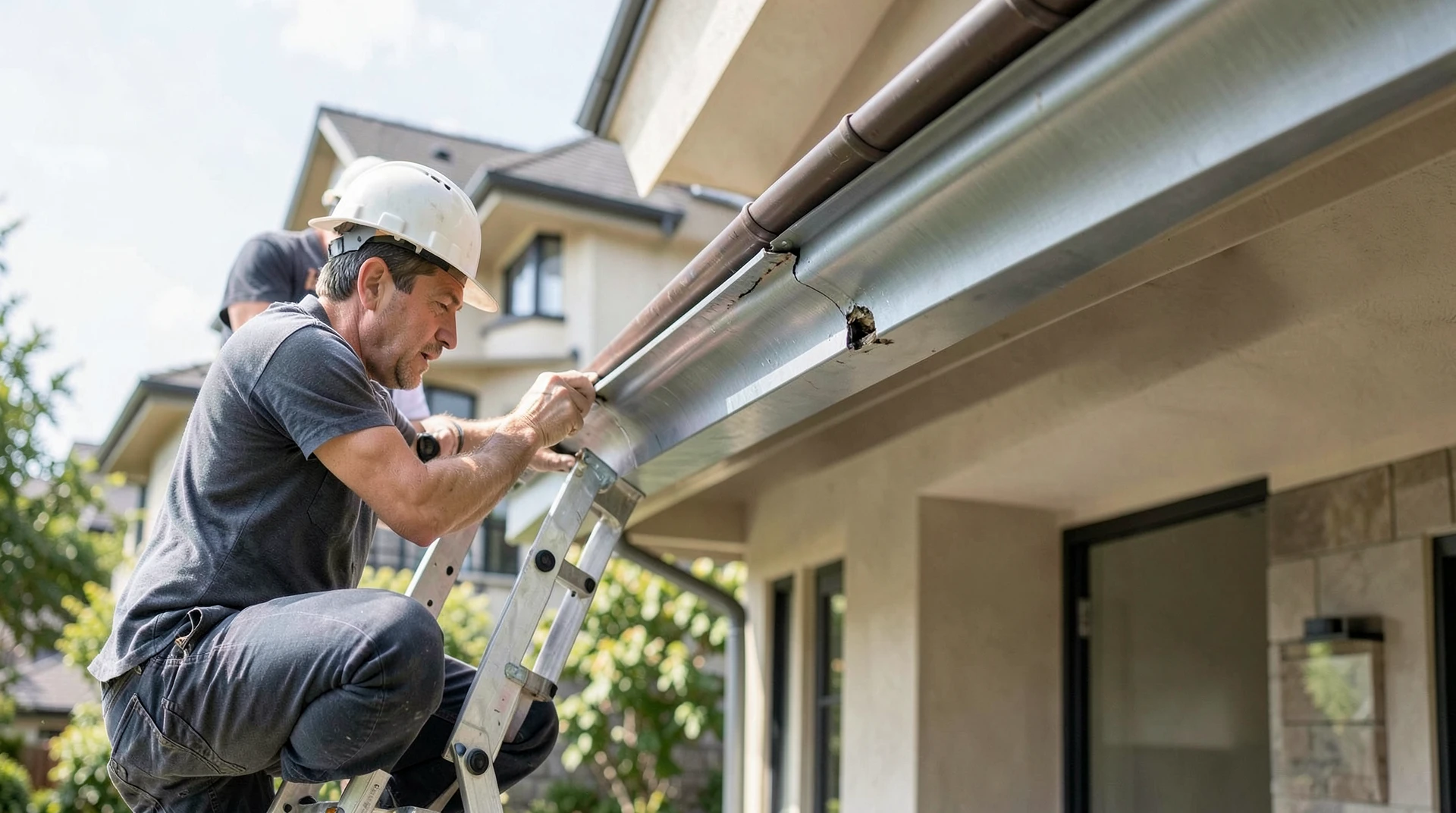
When most people think about a roof leak, they picture the visible drip stain on the ceiling or the obvious patch of shingle missing. While those symptoms are alarming, the reality is often more insidious. The true threats to your home’s structural integrity-the ones that can lead to costly mold remediation and compromised foundations-are frequently hidden where water management meets the house structure: in your gutters and flashing. At Rock Line Roofing, we understand that maintaining a beautiful Lakewood estate isn't just about aesthetics; it's about meticulous water management. If you live in an established neighborhood like Oak Lawn or Cedar Crest, you know that preserving both value and curb appeal is paramount. That’s why understanding the signs of damaged gutters and flashing roof repair is the single most important step in proactive home maintenance.
The Silent Threat: Why Gutters and Flashing Are Your Roof's Weakest Links
It's a common assumption that if your shingles are intact, your roof is safe. This couldn't be further from the truth. The greatest risk to any property isn't always visible; it’s structural failure caused by persistent moisture intrusion. Gutters and flashing components are essentially the plumbing system of your roof-they direct massive amounts of water flow over specific transitions. When they fail, they don't just let a little drip through; they can create pathways that send water deep into your attic space or fascia boards, initiating rot long before you see a single drop inside.
How exactly do these critical components start to fail? It’s usually a combination of natural forces and time:
- Gutter Failure: Gutters are constantly under mechanical stress. They can warp due to aggressive tree root growth that seeks out moisture sources, or they can suffer from poor slope design that causes standing water, leading to material fatigue and eventual sagging or outright detachment.
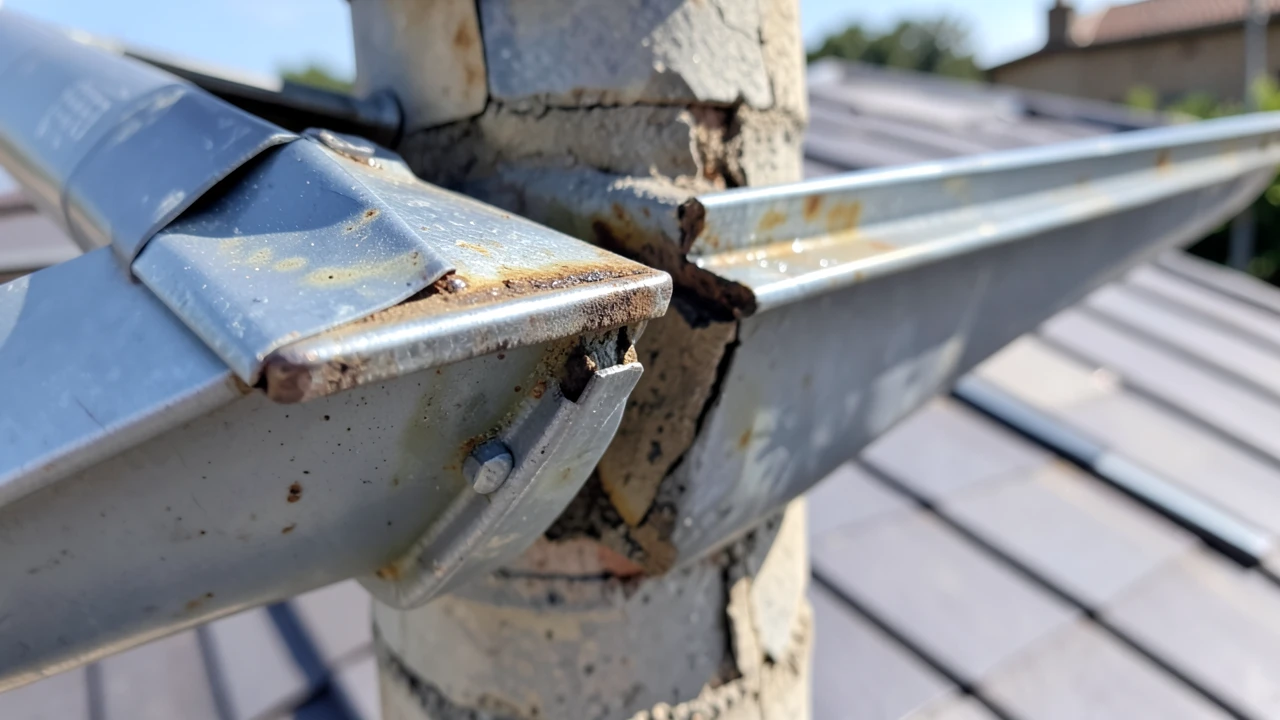
- Flashing Corrosion: Flashing is a broad term for any metal or waterproof material used at transition points: around chimney stacks (the most common failure point), roof valleys where two planes meet, or where the roof meets a vertical wall. Because flashing handles constant exposure to runoff-mixing chemicals from roofing materials with natural acidic rain and extreme temperature shifts-it corrodes over time. This corrosion is often subtle but critical, allowing water pressure to force tiny leaks that expand into major structural problems.
If you’re looking for roof leak prevention Lakewood TX solutions, we need to look beyond the surface layer. A thorough professional inspection must assess these specific areas because a single failed piece of flashing can send a cascade of moisture deep enough to compromise your raker boards or even the decking underneath. This is where Marco's experience comes into play: the biggest mistake homeowners make-and one we see too often around historic neighborhoods like Knox-Henderson-is waiting for visible signs, such as water stains on the interior drywall. By inspecting these critical elements now, we prevent catastrophic failure down the line that could cost tens of thousands in structural remediation.
More Than Just a Patch: Understanding Professional Damaged Gutters and Flashing Roof Repair
When you search for damaged gutters and flashing roof repair, it is crucial to understand that what a true professional provides is not merely cosmetic replacement; it is necessary structural remediation. Many general contractors might simply replace the visible, damaged piece of metal, which addresses only the symptom, not the underlying cause. A comprehensive service requires diagnosing why the failure occurred and strengthening the entire system around the repair.
A professional approach involves several layers of meticulous work:
- Underlying Support Assessment: We don't just replace the flashing; we assess the supporting structure. Are the raker boards compromised? Is the original underlayment degraded in that specific area? If those elements are weak, the new flashing will simply fail again.
- Material Specialization and Matching: Material choice is everything. For a modern asphalt shingle roof on a brand-new build, galvanized steel or aluminum may suffice. However, if you live near historic areas like parts of Lakewood that feature older architecture, we must use specialized materials, such as specific grades of copper flashing, to ensure not only durability but also aesthetic harmony with the neighborhood's established look.
- Specialized Techniques: A repair on a traditional slate or tile roof requires completely different techniques than working with modern asphalt shingling. The water management system for each is unique and demands highly specialized labor that general contractors often lack.
To help you gauge when expert intervention is needed, keep this symptom checklist handy:
- Water staining under gutters: Visible streaks of discoloration on the fascia board or exterior wall below the gutter line.
- Visible gaps around chimney stacks: Any gap, no matter how small it appears, where the flashing meets the masonry should be scrutinized.
- Chronic basement dampness: If you notice persistent humidity or unexplained water marks in your crawlspace or basement, the source is likely a compromised roof transition point.
Protecting Your Investment: The Importance of Local Expertise and HOA Compliance
One of the biggest concerns for established families in Lakewood-especially those in neighborhoods with strict architectural guidelines-is how any repair will impact aesthetics and local regulations. This concern about maintaining neighborhood integrity requires more than just technical skill; it requires hyper-local knowledge. We don't treat every roof the same. Whether we are working on a classic tile structure in Oak Lawn or a modern metal roofing system in parts of Cedars, our crews are trained specifically for Lakewood’s unique architectural diversity and area-specific roofing solutions.
We understand that when you invest in your property, the preservation of its visual appeal is just as important as its structural integrity. This means:
- Navigating Local Aesthetics: We proactively address HOA guidelines and local zoning ordinances. Our goal is to perform a repair that not only seals the leak but also enhances the home’s curb appeal while remaining compliant with neighborhood standards.
- Managing Disruption: Worried about construction mess or landscaping damage? We manage the entire process-from initial staging to final cleanup-so your property looks better than before we even started, minimizing disruption for established families.
- Material Selection Beyond Cost: We guide you on premium materials (like specific grades of copper or durable galvanized steel) not just because they are stronger, but because they meet the longevity and aesthetic standards expected in affluent Lakewood communities.
Finally, when damage is suspected due to a major storm event, navigating insurance claims can be overwhelming. We offer reassurance by working with local adjusters and understanding the complexities of hail or wind damage assessments, helping homeowners efficiently guide through the initial assessment phase so you aren’t caught off guard. Our expertise in chimney flashing replacement cost management ensures that your claim is comprehensive but also transparently quoted.
The Full Picture: When Gutters and Flashing Repair Signals a Larger Issue
Sometimes, when we perform an inspection for simple damaged gutters and flashing roof repair, the leak location reveals a deeper, cascading failure throughout the roofing system. This can be confusing-is it just the gutter, or is the whole house compromised? It’s vital to understand this distinction so you don't overspend on a full replacement when a targeted structural fix will suffice, and conversely, not under-investing when a simple patch won't hold up against centuries of Texas weather.
Think of it as a decision flow chart:
- Scenario 1 (Targeted Repair): If the damage is confined to the edges, valleys, or flashing around a chimney stack, and the underlying decking and roof structure are sound, we perform targeted damaged gutters and flashing roof repair. This is cost-effective and minimally disruptive.
- Scenario 2 (Full Replacement): If water intrusion has already compromised substantial portions of the structural decking, if there is widespread rot in the fascia boards, or if multiple sections of flashing have failed due to age/deterioration across different planes, then a full roof replacement may be necessary.
The key takeaway here is that roofing inspection must always precede any repair quote. This assessment allows us to provide you with maximum clarity on the true need. Even if you are planning a full roof replacement down the line, inspecting your gutters and flashing first ensures that all secondary water damage-the unseen rot or compromised joints-is accounted for in the total quote right from the start, maintaining complete transparency.
Securing Your Home's Integrity: Next Steps After Identifying Damage
The most valuable service we provide is not the labor itself; it is a clear, educated diagnosis that removes the guesswork and stress from large financial decisions. When you call us, Marco’s signature perspective comes into play: our job is to educate you and give you peace of mind.
Our inspection process is non-judgmental and incredibly comprehensive. We don't just look at what's obvious; we examine the unseen rot, the corrosion buildup on flashing joints, and the subtle warping in gutter seams that signal impending failure. Our two decades of local experience allow us to detect issues that a less specialized contractor might miss entirely.
When it comes time for the repair, you deserve nothing less than total transparency. We provide an itemized quote that doesn't bury charges in vague labor hours. You will know exactly what materials are needed for the damaged gutters and flashing repair (be it premium copper or durable galvanized steel), all necessary permits are included, and we clearly outline our warranty coverage.
If you have been experiencing chronic dampness, notice water staining under your eaves, or simply feel concerned about the longevity of your roof structure in an established neighborhood like yours, don't hesitate to reach out. We encourage homeowners not just to call us when it’s raining, but to schedule a consultation first. Let's talk about your specific concerns-be they HOA compliance, historical preservation, or simple peace of mind-so we can determine the most durable and aesthetically pleasing path forward for your home in Lakewood, TX.